Small Apartment: 12 Decorating Ideas to Gain Space Without Knocking Down Walls
You moved in full of hope, and then reality hit. The sofa is too big, the wardrobe eats half the bedroom, and you can’t open the bathroom door without bumping into the sink. Sound familiar ? Living in a small apartment doesn’t mean resigning yourself to feeling cramped every single day. Honestly, some of the most beautiful interiors I’ve ever seen were under 40 square metres. It’s just a matter of knowing where to look – and what to avoid.
1. Go vertical. Seriously, look up.
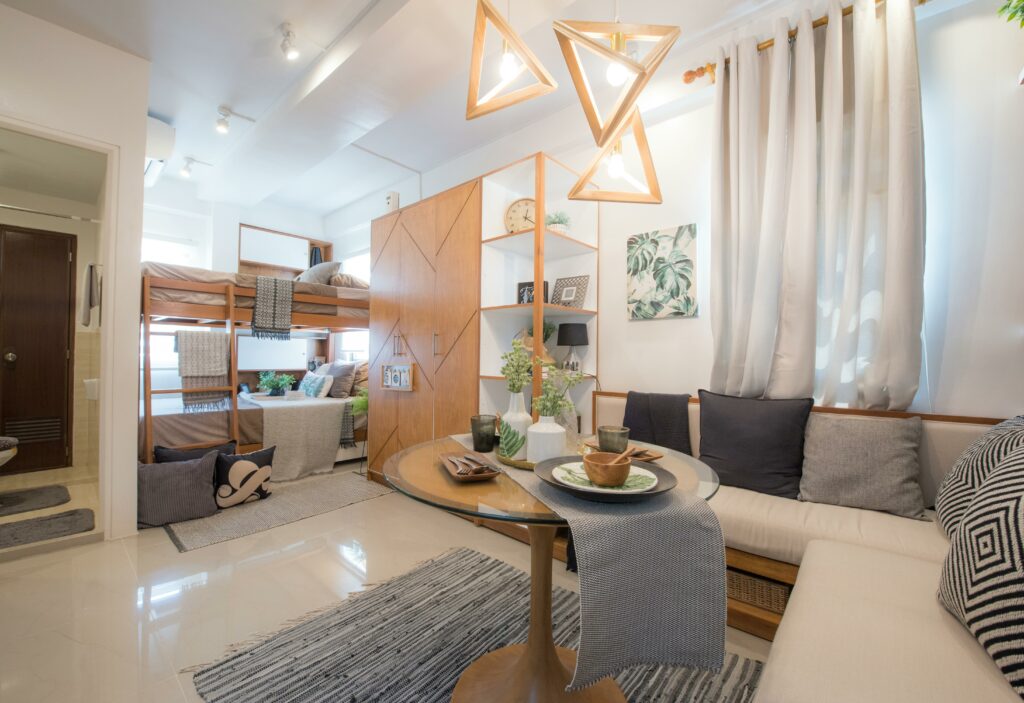 Most people furnish their apartments horizontally and forget that walls go all the way to the ceiling. Floating shelves mounted high up, tall bookcases, wall-mounted cabinets – all of that frees up floor space instantly. And floor space is what makes a room feel breathable. A room with clear floors always feels bigger than one cluttered with furniture, even if the square footage is identical. If you’re still in the process of finding your place and want to compare what’s available, https://l-immobilier-clermont-ferrand.com is worth a look before you commit.
2. Choose furniture with hidden storage
A bed with drawers underneath. An ottoman that opens up. A coffee table with a lower shelf or a lift-top. These pieces do double duty without taking up any extra room. I know it sounds basic, but the number of people who buy a gorgeous side table with zero storage and then wonder where to put their stuff is genuinely surprising. Function first. Always.
3. Mirrors : the oldest trick, and still the best
A large mirror on one wall can visually double the perceived depth of a room. It reflects light, creates the illusion of a second space, and it looks good in almost any style. Put one opposite a window and you’ll feel the difference immediately. Not a metaphor – it’s almost physical, that sense of the room opening up.
4. Light colours on walls (but not only white)
White walls reflect more light, yes. But pale sage green, dusty pink, warm sand – these work just as well and feel far less clinical. The key is avoiding very dark, saturated tones on all four walls in a small space. One dark accent wall can work beautifully. Four dark walls in a 12m² bedroom will feel like a cave.
5. Ditch the matching furniture sets
Furniture sets where everything matches look rigid and heavy. Mix a wooden dining table with metal chairs. Pair a fabric sofa with a rattan side table. Visual variety tricks the eye into scanning the room rather than landing on a single heavy block of matching pieces. It makes a space feel curated and light, not showroom-stiff.
6. Use curtains to fake high ceilings
Hang your curtain rail as close to the ceiling as possible, even if the window is halfway down the wall. The vertical line draws the eye upward and makes the ceiling feel higher than it is. This works in almost every room. It costs almost nothing extra. And yet maybe 20% of people actually do it – which is a shame, because the difference is real.
7. Rugs to define zones in an open-plan space
If your apartment is open-plan – living area and dining area sharing the same room, for instance – a well-placed rug does the work of a wall without actually dividing the space. It anchors the sofa zone, makes the layout feel intentional, and adds warmth. Pick a rug that’s big enough : a tiny rug under just the coffee table looks lost and makes the room feel smaller, not larger.
8. Think about the furniture legs
Sofas, chairs and sideboards with visible legs look lighter. They let light pass underneath, the floor continues visually, and the room feels less blocked. Heavy, skirted furniture that goes all the way to the floor has its charm in large spaces – in a small apartment, it can feel suffocating. If you’re choosing between two sofas you love equally, go for the one with legs.
9. Fold-away and modular pieces are worth the investment
A wall-mounted fold-down desk. A dining table that extends only when you need it. A sofa bed that’s actually comfortable (they exist – you just have to look harder). These aren’t compromises, they’re smart choices. In a small space, flexibility is everything. The ability to reconfigure a room for different uses through the week changes how the space feels entirely.
10. Reduce visual clutter on surfaces
This isn’t minimalism for minimalism’s sake. It’s about the eye having somewhere to rest. When every surface is covered – kitchen counter, coffee table, windowsill – the brain reads it as chaos, and chaos feels cramped. Pick three things you genuinely love to display. Put the rest away or let it go. It sounds harsh but you’ll thank yourself for it.
11. Opt for multi-functional rooms when you can
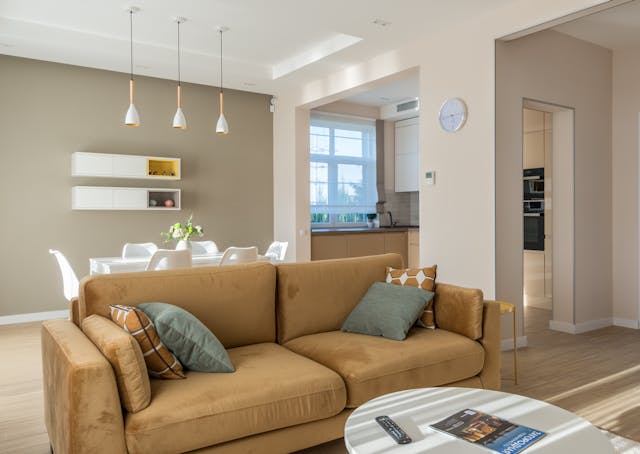 A home office that doubles as a guest room. A dining area that becomes a workspace. In a small apartment, single-use rooms are a luxury you probably can’t afford. Think about how each space could serve two purposes, and design accordingly. Murphy beds, room dividers, sliding doors – all of these help create flexibility without permanent changes.
12. Good lighting changes everything
One central overhead light is the enemy of atmosphere and perceived space. Layer your lighting : a floor lamp in the corner, a wall sconce, some warm-toned bulbs on a sideboard. Multiple light sources at different heights make a room feel larger and more alive than a single bright ceiling fixture ever will. It’s one of those things that sounds minor until you try it – and then you wonder why you lived with a bare bulb for so long.
A few things that actually don’t work
Since we’re being honest : tiny furniture doesn’t automatically make a small room feel bigger. A miniature sofa in a small living room just looks sad and out of proportion. One correctly-sized piece of furniture beats three undersized ones every time. Also, mirrored furniture – the kind where every surface reflects – tends to look busy and dated rather than spacious. A single well-placed mirror, yes. An entire wardrobe in mirror panels, maybe think twice.
Small apartments have a bad reputation they don’t entirely deserve. With the right approach – vertical thinking, hidden storage, light, flexibility – they can feel genuinely comfortable. Not “fine for now” comfortable. Actually good. The constraints force you to be intentional, and intentional spaces tend to be the nicest ones to live in.
Leave a Reply